Robin White Reproduction Prints - Publisher Update

The publisher of three very high quality reproduction prints of artworks from New Zealand painter/printmaker Robin White has ceased production of prints in this format.

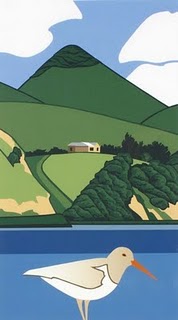
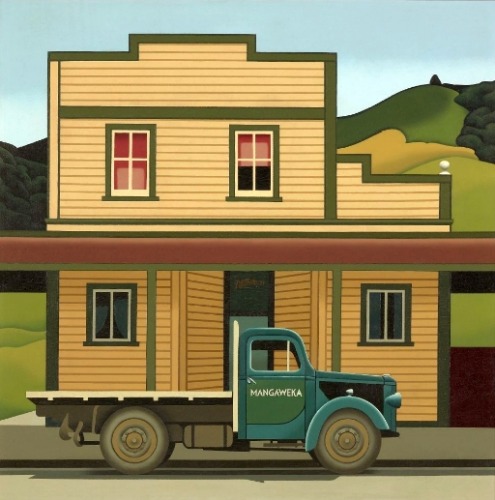
The three images affected are Mangaweka, White Oyster Catcher & Harbour Cone and Morris Commercial, Hokianga.

Because of the size and complexity of printing these images to such a high standard they were essentially being printed one at a time for New Zealand Fine Prints, so we have been left with just one print of each artwork on hand now the publisher has deleted this format.

White Oystercatcher and Harbour Cone

Mangaweka

Morris Commercial, Hokianga

This series was such a good idea, despite the high price tag for an open edition reproduction print they really showcased best practice for a digitally produced modern New Zealand fine art print. The care taken to recapture the original artworks at the highest possible resolution through to a diligent choice of the most appropriate paper to print them on to give the buyer decades of enjoyment. 

We understand that the plan is to re-issue the same images in a smaller size, formatted to fit a standard A2 paper size rather than matching the scale of the original artworks.  The benefit of this is the price will be more accessible and framing more straightforward if an off the shelf picture frame is used. However there was something gloriously luxurious about prints of works by such a significant NZ painter being done close to the original size and without any budgetary constraints on achieving the highest quality possible.  But the last prints for sale were just listed in our Endangered Prints collection this morning...

What’s the Difference Between ‘Abstract’ & ‘Stylised’ Painting?

What’s the Difference Between ‘Abstract’ & ‘Stylised’ painting?

There are countless art styles worldwide, each bringing unique and eye-catching work to life. Art styles can evoke several emotions, from Art Deco prints to detailed portraits. With numerous established art styles, they can be hard to differentiate. In this blog post, we discuss abstract and stylised paintings, the key elements of each style, and how they differ.


What Are Abstract Paintings?

We stock a vast range of abstract art prints, one of our favourite visual styles. Abstract art came from a place of change. As society grew, so too did the desire for new art. In turn, this unique art style was highly conceptual, no longer focusing on replicating scenes from the real world or creating recognisable motifs. This new style used shape, colour, and line to create striking imagery. The style departs from the real world, creating imagery that does not resemble reality. Abstract art can sit at different levels of familiarity. Some paintings are extremely obvious in what ideas they represent. Others are less easily understood and can evoke thought and emotion in a viewer. Abstract art can help us see the world from a new perspective, comparable to cubism or surrealism. 

 The earliest works of abstract art are geometric and linear. These works have appeared in several mediums, including pottery, fabrics, and rocks. Many believe that abstract shapes and symbols represent ideas; however, they are still easily admired without understanding the meaning. Abstract art allows us to create meaning and choose how we interpret a work of art. The critical difference with abstract art is that the aim is not to create an object or reflection of reality but to create feeling and emotion. 

Broadway 1936 by Mark Tobey
Broadway by Mark Tobey
One of our favourites, Broadway (1936) by Mark Tobey, is made up of white lines on top of a dark blue and red canvas. The white lines are nothing more than squares and shapes, but they work to create an abstract cityscape. The piece immediately evokes the feel of a loud, bright, bustling city street. There is not a single building, taxi, or storefront painted. 

However, with only a smattering of white lines, our brains can make sense of the painting and recognise the abstract elements of a city, further encouraged by the busy feeling of the artwork.


What Are Stylised Paintings?


Stylised paintings use more recognisable imagery to create bold and unique art pieces. The art becomes ‘stylised’ by using colour and shape distortion to disconnect the image from reality. Stylised art allows artists more freedom to experiment with shapes and colours to create beautiful imagery. Stylised art aims to depict a subject effectively but with a unique style that takes away from realism. Stylised paintings sit as a stepping stone, sitting between realism and abstract. There is a clear representation of an object but no need for accuracy. Instead, there is the freedom to be creative and paint beautiful, bold pieces. Some stylised works are exaggerated and focus on the essential details to emphasise and exaggerate the overall look of the painting. Other stylised artworks are more minimal, aiming to portray an object accurately but with as little detail as possible. 

Our Milford Sound vintage travel poster is an excellent example of a beautiful, stylised painting. The
Milford Sound Vintage Travel Poster

piece includes an obvious depiction of a mountain—the famous Mitre Peak—made of blue, red, and yellow tones. The colour pallet creates the subject clearly, but with hardly any fine detail, just colour mixed beautifully to create a stylised interpretation.


How do the Styles Compare?


They both give artists the power to sway from reality and focus on creating unique works that use the technique to tell a story. Abstract art leaves much more to the viewer’s interpretation, with no ties to realism. Stylised artwork incorporates unique, stylistic elements from the artist. The subject is recognisable, but the artist has more freedom to experiment and put their unique twist on reality. Abstract, on the other hand, eliminates the reality aspect. Artists have the freedom to combine visual elements to produce awe-inspiring artwork. Colours and shapes are combined to create striking imagery. You don’t need to understand what is happening in the piece to admire abstract art—all you need is a pair of eyes. The art will evoke an emotional reaction.


Find the Perfect Piece of Wall Art for Your Home


NZ Fine Prints offers an extensive range of art prints from artists worldwide. From famous abstract paintings to stylised Kiwiana imagery, we have the perfect wall art for your home. Explore our full range of art prints online today.

Art Evolution: Painting Styles Throughout History | NZ Fine Prints

Art Evolution: Exploring Painting Styles Throughout History

Paintbrushes sitting in front of abstract-style paintinging in front of abstract-style painting

From ancient cave paintings to Warhol’s famous art prints, there’s no doubt that painting styles have evolved in numerous ways throughout history. In this blog post, we walk through some notable periods in art history. Read on to explore ancient artworks from around the world, gain a brief glimpse into their evolution, and reflect on how these styles are expressed in the art scene today.


Prehistoric Painting

Prehistoric paintings are the oldest known paintings of prehistoric man, found on the walls of caves, produced by people of preliterate cultures. Prehistoric paintings are now considered to be priceless artworks. During their time, they are thought to have symbolic or religious intent, and to have been used to keep records and track major historical events. Prehistoric art was observational, documenting the other cultures they had come across, the success of hunters, and more. 

The first examples of art are dated back more than 64,000 years, such as the 71 hand stencils found in the Cave of Maltravieso, alongside animal paintings and some linear designs. Other forms of prehistoric art include engraved stones and crosshatch designs, found throughout Europe and South Africa.


Egyptian Art

Egyptian art gained traction across the western world for its symbolic, vivid, and abstract design. A notable difference between Egyptian art and the record-keeping of prehistoric times is intent. Art was used in a more ritualistic way to express wealth, power, belief systems, history, and life after death. For example, statues were used to honour the deceased. This practice was a symbolic way for the spirit of the dead to remain connected from beyond the terrestrial realm.

There are many examples of ancient Egyptian art, both two and three-dimensional, used to honour the dead. Heavy symbolism was used to connect the Egyptian people with the gods, creating beautiful, usually front-facing statues to honour the royal and elite. Throughout all art styles, the ancient Egyptians used the imagery of people, animals, and other figures, accompanied by text. 

A notable attribute of ancient Egyptian art is the use of size. Many ancient art pieces found across Egypt use size differences to convey hierarchy. Royalty was portrayed in large scales while lower-ranking figures or average Egyptians were depicted much smaller.


The Middle Ages

The Middle Ages are of incredible importance in art history. During this time, medieval artworks around Europe were heavily influenced by Christianity. Societal and cultural developments lead to a boom in the visual arts and a shift in aesthetic values. Medieval artists developed secular art, a departure from the common religious themes at the time, and the wealthy and elite would commission works such as cathedrals, churches, and manuscripts. 

Medieval art encompasses many artistic styles, including the birth of Byzantine, Romanesque, and Gothic art, to name a few. Artists during this period would use mineral pigments and a layering technique for painting. With few options for creating a range of colours and textures, artists would paint over dry colour to create mixes of colour and thick-textured brushstrokes.


Renaissance Art

Renaissance art developed around the year 1300 and is associated with social changes within society. Art in the Renaissance period was influenced by the Middle Ages, with scholars studying literary texts from medieval scholars before them. With artists such as Leonardo Da Vinci and Michelangelo, this is one of the most influential and widely recognised periods for art. 

This period saw a shift in painting and sculpture style, with the development of linear perspective, alongside a range of other techniques, used to give their work a more realistic feeling. The more abstract art of the medieval period had transitioned to a representational style that expanded the subject matter to go beyond biblical scenes. 

More and more artists began adding their own originality to artworks and the period is seen to represent the rebirth of human ideals and naturalism. As well as oil painting, the Renaissance saw the full development of mixing techniques, originally seen in medieval artworks.


Pop Art

Of the numerous modern art movements to date, some of the more notable styles included futurism, surrealism, minimalism, and of course, Pop art. Andy Warhol and other artists within the pop art movement used imagery from popular and mass culture to challenge historic styles of art. This movement utilised commonplace objects and imagery from popular culture or mass-produced objects.

The modern world rejected the history of realism in art and saw the rise of innovative and experimental art. The focus of artists shifted from depicting realistic scenes to the use of various materials, techniques, and other abstract elements. 

Warhol’s work with Marilyn Monroe and the infamous Campbell’s Soup Cans are some of the most recognised modern art pieces. The style has cemented itself in art culture for its use of humour and irony, communicated through the bright punches of colour in the various works.


Neo-Expressionism and Beyond

In the late 70s, Neo-Expressionism dominated the art world, with the portrayal of realistic and familiar objects returning, but often with a more abstract nature. The use of colour harmony and intense expressionism was used as a reaction to the high-concept, minimalistic styles previously seen. The post-modern era of art sees no clear direction for future styles, but it is thought that the world is moving toward pluralism. This means that different art and painting styles are being adopted from various cultures, with artwork and artists becoming more diverse and all-encompassing.


Find Your Favourite Art Styles at New Zealand Fine Prints

There are too many art styles and movements throughout history to cover in a single article. Here, we’ve highlighted some of the most influential periods from prehistoric times to today, showing a brief glimpse into the diverse evolution of art. Interested in delving deeper into the art scene? If so, we have a range of beautiful canvas wall art in NZ for you to explore. Browse New Zealand Fine Prints online today and find your favourite art prints from around the world.

Street Art Capitals Around the World | NZ Fine Prints

Street Art Capitals Around the World

Street Art Stye in Camden, London

Street art has a long history and can be seen in every corner of the globe, but some cities have stood out for their immensely creative, beautiful, and in many cases politically charged street art. In recent decades, we’ve seen street art style move from being viewed as vandalism to being celebrated in galleries, with art prints of street art selling out. In this article, we highlight some of the street art capitals around the world and show what makes these cities so special.


Barcelona

When it comes to art, Barcelona has birthed some of the world’s greatest artists—such as Pablo Picasso—and this extends to the street art scene. Many parts of the city have come to life with creativity and colour. Areas like Poblenou have many abandoned buildings that have provided some of the best street artists with canvases for their work, bringing the neighbourhood back to life. The Three Chimneys urban park is built specifically for graffiti art, where artists can express themselves and put their art on display without having to worry about any legal consequences. There are thousands of incredible art pieces throughout the city. With so many beautiful discoveries to make, you can’t help but feel inspired. Barcelona should be at the top of any art-lovers travel list.


Brooklyn

New York’s thriving art scene is recognised around the world and the streets are no exception. Within the city, Brooklyn is the heart of the street art scene, with local and international talents taking advantage of the enormous canvas provided by the concrete jungle. Brooklyn has life and character around every corner, the creative murals constantly changing and evolving. The Bushwick Collective was started in 2011 by local artist Joe Ficalora. The Collective is an open-air gallery space, highlighting the murals of many artists and creatives. The Collective has transformed the Brooklyn neighbourhood into a colourful and artistic space. Graffiti and street art tours through Brooklyn are popular tourist attractions, bringing people from all over the world to the heart of New York’s street-art culture. The enormous and detailed murals are a must-see for any street-lover, giving this small New York neighbourhood a contemporary and creative re-vamp.


Buenos Aires

The street art scene in Buenos Aires began as a political and socially charged movement, inspired by Mexican muralism. Artists used public spaces in the city to communicate their message and protest the repressive political climate developing a language of protest throughout Argentina. Almost a century later in 2001, the streets became riddled with propaganda and negative messaging due to the recent economic crisis. Art collectives worked to transform the streets into a colourful and positive space, breaking up the overwhelming political messages and creating larger than life cartoons and vibrant imagery. Buenos Aires is known for the enormous scale of its murals, scattered throughout the city. This bright and large-scale street art scene has put Buenos Aires on many art fans’ travel bucket lists. The beautiful architecture and street art pair together perfectly to provide the city with a thriving pulse.


Christchurch

It’s common for street art culture to come from tragedy, and sadly, that’s the case for our very own Christchurch. After the devastating earthquakes in the early 2010s, Christchurch was due for a major rebuild and this is where street art became a core part of the city’s new life. In 2013, George Shaw, a Nelson art collector, organised a street art festival in Christchurch, commissioning new art pieces on walls throughout the city centre. The festival’s success planted the seed for Christchurch’s growing art scene and inspired artists to engage with the landscape and repopulate the city’s abandoned spaces with murals. The street art style in Christchurch carries political, social, and in many cases, humorous messages. Natural disasters destroyed parts of the city. The landscape changed and evolved. Street art rejuvenated the streets with creative energy and has now created an ever-changing graffiti art scene in our very own country.


Melbourne

The diverse range of street art on Melbourne’s street walls is among the most eclectic and accomplished in the world. The city has become the “Stencil Capital of the World”, bringing street art culture to a wider audience. The city is host to both illegal exhibitions and public festivals, bringing people from all over to the streets of Melbourne. Small street lanes with a huge range of unique bars and eateries are surrounded by large-scale, beautiful murals—many inspired by the street art culture of New York City. Melbourne’s streets are pulsing with life, always changing and inspiring new artists to contribute to the vibrant and creative movement. Melbourne’s bright streets are recognised globally and have continued to inspire other cities to adopt the urban art style.


London

You can’t discuss street art without mentioning London. Inspired by the art movement in New York, London began seeing street walls used as canvases with stencils, tags, and public sculptures popping up all over the city. East London is the hot spot for street art culture, but the work is seen in all the city neighbourhoods. Places like Brick Lane, Shoreditch, and Camden are just a few of the numerous locations where you can explore the culture of London street art. Banksy has become one of the most famous street artists in the world, going from the underground Bristol scene to spreading his stencil art and political messages all over the city. The anonymous artist’s signature style of combining humour and politics in his imagery or slogans became a sensation and cemented Banksy as a street art phenomenon. Balloon Girl, Kissing Coopers, and Bomb Hugger are a few of Banksy’s globally recognised works, contributing to the widespread acknowledgement of graffiti as art rather than vandalism.


Find Some Street Art for Your Home

Street art is a unique style that can transform an old, abandoned street into a beautiful art piece, attracting thousands of visitors. Why not bring the same provocative style to your home? Framed wall art provides character and can add a dash of swagger to your living space. We have prints by talented artists from all over the world, in a huge range of styles to help you bring some art culture into your home, browse online today.

Gardening & artists who garden | NZ Fine Prints

For some people gardening is a chore, for others it is a sandpit for adults. 

Pohutukawa Tree in Blossom
The Garden by Barry Ross Smith
The intersection between human habitation and our natural environment is where the intrinsic beauty of plants meets our unique among animals impulse to re-order what nature has created in what appears to us to be a more aesthetically pleasing (and productive) way.  
Wheelbarrow in Garden
Detail of Lazy Bones & the Pleasure Garden by Hamish Allan

It is fair bet that those of us who have been bitten by the gardening bug might also want to bring the outdoors inside when it comes to art, decorating our walls with botanical posters for instance. And it is not too far of a stretch to imagine these flora fans are also buying prints of birds in such vast numbers over the past few years as we celebrate the fact that native birds of NZ are being seen in increasing numbers within the gardens of our towns and cities thanks to both pest eradication but also the deliberate creation of habitat in domestic and public gardens.

Blossom Trees and Mount Fuji
Japanese artist Hiroshige, the epitome of gardens as art
But as part of a small campaign to exercise our print buyer's more whimsical choices (he jokes that sometimes he can't resist buying what he thinks people should want rather than what they actually do) we have dipped our toes into offering a new collection of wall art - prints of gardens and gardening (we have also allowed him to buy a large range of retro/vintage music and film posters) but he will now be back on the straight and narrow for the next
few months!

Dick Frizzell "Incinerater" Ltd Edition Print
Backyard Incinerator by Dick Frizzell 

There are artists who garden,
most famously Claude Monet whose garden at Giverny was, as we would say these days, part of his practice. But local kiwi painters like Jeanette Blackburn are almost as well-known for their garden art galleries as for their work. And then we have Hamish Allan's carefully composed renditions of what could only be a New Zealand backyard, Dick Frizzell's "backyard" series like his prints of lawn mowers and the incinerator pictured here - and then the doyen of NZ garden painters Karl Maughan from whom we still have just the single offset print available, "Riverhead".

The impetus for putting together our new gardens/gardening art collection really came from seeing how the posters of Japanese woodblock prints brought together artistic merit with a celebration of gardening as art, as the gardens in Japan are surely the epitome of the landscape as art. And we thought that maybe people who are into gardening but not so much into art would like to see just how well Japanese style wall art would suit them but they would not think to search for this kind of artwork in our online catalogue.

Gardens are such a fascinating glimpse into the way we imagine we would like to live, from the garden that is neglected to one that is bursting with this season's most fashionable colours how we garden says so much about the people who live in it.  We hope you enjoy our new collection of garden art prints - it is not just for those of us who are into gardens and landscaping, surely there are plenty of folk who may enjoy a garden when it is an artistic expression of aspects of what a garden is framed on the wall rather than being out there pulling out the weeds every weekend!

Film & Music Posters - How we select vintage wall art design

The all encompassing term "wall art" is becoming a more prevalent shorthand for what were once

Dark Side of the Moon - Pink Floyd

exclusively referred to as art prints and posters.  Like when what we thought should be called fine art by NZ painters a decade ago started getting referred to as "kiwiana" alongside the more obvious tiki paintings, four square man etc New Zealand Fine Prints are happy to move with the times and be guided by our customers what they would like to call what we sell even if this new phrase takes a bit of getting used to!

One of the advantages of the expanding definition of wall art (eg from framed prints to wall charts, prints on canvas and even wall decals) is we have been able to expand what we sell beyond the traditional reproduction prints of paintings, maps etc into other things that can go on the walls of kiwi homes and offices, but without straying too far from our core values as a business.  It seems obvious that those folks who show more than an average interest in art would also be interested in music, theatre and film and those of us on our wholesale buying team certainly are into the broader arts as well for sure.

Poster for Fritz Lang's Metropolis

But we believe that delivering value to customers is not just in a good quality item from a production standpoint, it also about selling decoration that will endure not just physically but also continue to be enjoyed as an artwork (ok, wall art) for many years.  This means selling prints by artists who have something to say, prints of places that mean something to New Zealanders and trying not to promote more ephemeral  watered down or generic designs that are, as we say, to match the curtains.   We don't want you to buy an artwork for your walls that "fashions out" really quickly.

So as we grow our range of film and music wall posters we had to devise a criteria that would satisfy demand for a broader range of poster choices without going too far down the path of stocking modern day music posters created for fans (or more cynically created by publishers to cash in on what's popular right now). Drawing a line between what we call the "social expression" market (the teenager whose choice of music or movie posters are a visual shorthand to tell people what kind of person they are) and the broader decorative - ie wall art - market where a poster is there both for its aesthetic merits as well as for its content/subject or design theme.

The Supremes UK Tour Poster
Our wholesale team have therefore decided that we won't - at least initially - stock music posters that are designed purely to demonstrate that you are a fan of a contemporary band or a singer or love a just released film. Musically these are the posters that are a photograph of the act (or actor) doing their thing on stage/film set or showing their attitude or style accompanied with the name of the group, rapper or singer or film.   Given the size of the New Zealand market and the order minimums that make sense when importing posters it just doesn't work for us to try and pick trends, there is nothing less saleable than a cutting edge music poster after the band's popularity has peaked!  But we believe there is a sweet spot where a music poster captures both the spirit of the band/singer with an iconic retro/vintage design aesthetic that makes it more broadly interesting than just to fans of the group. So we are stocking retro or vintage designs that have stood the test of time already and that we believe will continue to resonate for the life of the posters on your walls.

Obviously we would like to have a diversity of designs and acts from around the world and across different genres, so we have lined up four different wholesale suppliers across the US, Australia and Europe to try and achieve this aim.

We think in particular that vintage music poster designs for concerts and album releases are true to the spirit of New Zealand Fine Prints, they fit with our extensive range of vintage travel, tourism and advertising posters from what are now well-known graphic designers. This is where we offer a good quality reproduction of an authentic poster design, a replica as close as we can get to the original - ie without Photoshopping the imperfections.

Illustrating this post are examples of some of the new movie and music posters that are now in stock at New Zealand's wall art specialists since 1966, please check out our music and film poster collection to see everything we currently have for sale.


Common Mistakes When Choosing Wall Art | New Zealand Fine Prints

Common Mistakes When Choosing Wall Art

When looking at inspiration for wall art online, it’s easy to feel like the choice of art doesn’t matter, and most examples online look great because they’re in an expensive home! But the truth is, if you’re smart about the art pieces you choose to hang, you can make an interior look more incredible than you’d guess. No matter what your home décor looks like, putting some thought into choosing wall art can elevate your space, and transform your interior into something spectacular.

Below, we’re going to cover some of the common mistakes you should avoid when choosing art to hang on your wall, so you can get the most out of your home!


The Wrong Art for the Wrong Room

Step one is to make sure that a piece of art matches the room it’s in. A lot of the time, people will choose art pieces that look good online or in a store, but don’t match the room they’re being purchased for.

Professional interior designers or decorators usually approach this by first focusing on the function of a room. By understanding what each room is for, you get a better sense of the atmosphere you want to create with certain pieces of art. Sometimes this can require some experimentation, but there are some rules of thumb you can use as a starting point. For instance, a lounge is more likely to have a piece that’s colourful and dramatic than the bathroom, where it’s generally preferable to hang more relaxing or straightforward pieces.


Misusing Wall Space

One of the easiest mistakes to make when hanging art is underusing or overusing the space you have available to you. One piece hanging alone in the middle of a large wall will feel odd, as will many pieces covering a wall completely. You always want a bit of open space to let the pieces breathe, but too much can be distracting. 

This can depend on personal style; some people go for a very cluttered look on purpose, and this can work occasionally! But for most people’s homes a balance is preferable.

Generally speaking, more open space on a wall is more soothing. This means that louder, more dynamic pieces of art might look better with nothing around them than a more subdued, tame piece of art, because the emptiness balances out the noise of the piece of art. It often depends on the colours of the art and how they contrast with the colour of the wall. A lot of contrast can make one single piece of art pop, while pieces that are a similar colour to the wall will blend into it if surrounded by nothing but empty space.


Setting the Mood for the Wrong People

This mistake is more common than you might guess! When choosing wall art, homeowners often pick pieces based on the impression they want the space to give to guests and visitors. While this is important, and very much worth factoring into your decisions, it’s a mistake to prioritise this over choosing art that makes a good impression on you! And there’s a simple reason for this; you’re the one who has to look at it the most. 

This is why you’ll hear people saying it’s important to limit how eye-catching art pieces are in places like the bathroom. While it might seem like a fun idea to throw caution to the wind and put a really arresting piece of art in the bathroom, there’s a real chance that you’ll get sick of looking at it while brushing your teeth every day! So, most decorators opt for calming décor in the bathroom, and save more dramatic pieces for rooms where the owner will spend less time, like a hallway near the front door. 

Again, it’s ultimately up to you, but it’s always worth thinking ahead and considering what it’s going to really be like looking at a piece of art every day.


Ready to choose some art for your home?

The NZ Fine Prints collection has a wide range of art pieces, in varying styles, moods, and materials, including some of the best canvas art prints in NZ, from celebrated Kiwi artists. No matter which room you’re decorating, we can help you take it to the next level. Take a look at our site and explore our categories today!

How Does Landscape Art Contain Emotion? | NZ Fine Prints

How Does Landscape Art Contain Emotion?

Painting of NZ landscape with sea surrounded by hills


If you’ve ever looked at landscape art you might have wondered what the artist was trying to capture. As with most art, understanding an artist’s intention can require some time. Look long enough at a landscape painting, and you might be able to feel the emotions that the painter was trying to capture! Landscapes make popular art prints for their ability to evoke emotions. In today’s blog post, we’re exploring which techniques artists use to create evocative landscapes.


The history of landscapes

The most famous landscape artists are usually associated with the Romanticism movement in art. There’s a whole range of styles within romantic landscape paintings, from peaceful, pastoral visions of nature, to awe-inspiring visions of mountains and storms. A lot of romantic landscapes were used to comment on religious or philosophical ideas, but it was in this movement that the association between landscapes and emotion was forged. This association more or less still exists today; we still expect contemporary landscape art to evoke emotions when we look at it. In many ways, the Romanticists set the blueprint for the common techniques used in landscapes, especially in regard to capturing certain emotions. Below, we’re going to look at three.


1. Colour


The colours chosen by an artist can have a huge impact on the effect it will produce for the audience. One of the most famous landscape painters, Joseph Mallord William Turner (usually just called Willian Turner), was a master at using colour in landscapes. In fact, Turner was a key reason that landscape paintings became popular in the first place. Turner painted both sunsets and sunrises over Venice multiple times in his life, and in all these paintings the colours aren’t necessarily realistic. Often, he painted scenes like this with a reduced palette. All the bright colours are used to depict the rising or setting sun, and the rest of the image is grey or yellow, almost unfinished looking. This forces the eye to focus on the sun, just like how a real sunset or sunrise captures your attention; everything else around you seems to fade away. A lot of early landscapes also used warm colours to create feelings of nostalgia or comfort, especially when depicting the countryside and trying to foster a sense of kinship with the land.


2. Brush techniques

The brushstrokes also change the way a landscape feels. Harsh, sharp brush techniques make the bristles of the brush stand out a lot more in the paint, and this can dramatically alter the atmosphere of a piece of art. One of the most interesting things about this is that the effect can change based on the context creating a sense of grief, or chaos, or even awe. Landscape painters in particular tend to use visible brushstrokes to reinforce the power of nature.


3. Scale

Landscape artists often choose subjects that are overwhelmingly big, like mountains, the sea, or the sky, and all these subjects have roots in the romantic origins of landscape paintings. Romanticists were fascinated by an emotion that they called the “sublime”, and this was true of Romantic poets and writers too, not just visual artists. To the Romanticists, the sublime was best described as a feeling of being overwhelmed by the sheer scale and beauty of the world. You may have even felt this yourself, when looking up into a clear starry sky, or down at a rolling view from the top of a mountain. It’s an experience that makes you feel tiny and insignificant, but also enthralled by the beauty of the scene. For the Romanticists, it usually had an explicit connection to Christianity too; they felt they were experiencing God through the majesty of nature, so in many ways, the sublime was a spiritual experience. Quite a hard thing to attempt to capture in a painting! To try to replicate the unique mixture of powerlessness and euphoria, early landscape artists chose to paint things that were massive, and usually tried to show this to the audience by painting tiny people into the scene for scale, showing them dwarfed by the scene around them.
 

Interested in landscape art for your home?

Here at NZ Fine Prints, we have a whole collection of contemporary New Zealand landscape art, showcasing our own unique environment and its beauty. Browse our collection to find some of the best landscape canvas art prints in NZ, like Dale Gallagher’s Majestic Fiordland, and Church of the Good Shepherd Lake Tekapo. Landscape prints can bring true character to your home or office and make a great way to celebrate the stunning environment here in Aotearoa. To find out more, feel free to contact us today!

Portraits: Why Are They So Common in Art? | NZ Fine Prints

Portraits: Why Are They So Common in Art?

Painting of knight in front of castle surrounded by other people


There’s no doubt that portrait art is one of the most common art types, and that this has always been the case. But why are portraits so prevalent, both in the history of art and today? In this blog post, we’re going to explore why portraits are so popular, and so common in many different movements of art!


1. Making portraits paid well

Historically, painters could count on portraits when they needed income. This idea grew out of the practice of ‘court painting’, wherein painters like Fransisco Goya were kept on retainer to create paintings of royalty. For a lot of history, commissioned work like this was basically the function of art; the idea of ‘personal inspiration’ is relatively new to modern society! A huge amount of historical art began not with the painter themselves, but with someone else paying the painter to create a piece. It's probably worth mentioning that this idea is drawn mostly from the European tradition of art, which we’re focusing on in particular, because it’s more or less where a lot of the formal ideas about portrait painting come from. Many of the most famous European paintings of all time are, in fact, commissioned work, including the Mona Lisa! And it’s easy to understand why people were eager to pay artists to paint themselves or their families, because it was the only way to keep images of loved ones before photography existed everywhere in the western world. The movement away from commissioned portraits is though to be relatively slow. It began as a practice reserved for the rich, but slowly became more accessible for lower classes in European societies, until eventually, painters simply began painting portraits of people they knew, or even strangers they happened to see.


2. People like people!

The next big reason portraits have always been popular is very straightforward; we’re social creatures! Humans enjoy looking at other humans, and portraits were one of the first ways we could reproduce the experience of looking at someone. There is more to it than that, of course. On a deeper level, portraits can also reveal all sorts of interesting things about their subjects. Part of this lies in the decisions that are made by the artist. How have they chosen to represent the subject of the painting, and what does this say about how people viewed the subject at the time? With older paintings, it can be a full-time job investigating the historical context surrounding these questions, but they are still engaging to think about for anyone, whether they collect art or not. Portraits can also tell us a lot about someone from the level of detail alone. A great example is the oil painting Virgin and Child with Canon van der Paele by Jan van Eyck. The painting depicts its donor, Joris van der Paele, and modern medical experts now believe that they can guess how he died from the details in the painting alone. The two biggest clues are the spectacles he carries, and an enlarged vein on his head, which suggest he suffered from temporal arteritis. Jan van Eyck’s paintings were known for this level of minute detail, and it’s incredible that his portraits can tell us things about their subjects that the people of the time didn’t even know. Overall, it will always be true that people are fascinated by other people, and portraits give us a window into how other people think, showing us either how the subject wanted to be seen, or how the artist wanted to show them, or both!


3. People like painters

This final point is an extension of the one above, with a twist. It’s true that people are social beings, but it’s especially true that we tend to be fascinated by the painters themselves, and self-portraits have always carried this mystique with them, offering us a glimpse into the creative mind. Just as portraits can tell us about how their subjects were viewed, self-portraits can tell us how artists view themselves. A lot of painters painted self-portraits during their careers, but Frida Kahlo is probably one of the most well-known artists of the form, creating over fifty self-portraits during her life. The Two Fridas is one of her most analysed self-portraits because she painted two versions of herself; one in European clothes, and one in traditional Tehuana clothing. The meaning behind this has been discussed for decades, and many different theories have been proposed, including by Kahlo herself, who said it was representative of a memory of a childhood friend.


Do you like portraits?

These are just a few of the reasons that portraits are so common and have been so influential. However, art comes down to taste a lot of the time, so no matter how popular they are or have been, they’re not for everyone! On the other hand, if you’re not a fan, you shouldn’t give up on the whole genre straight away! Portraiture contains so many different styles of art that there’s always a chance you’ll find something new and fall in love with it! Portraits make great additions to your home too. Here at New Zealand Fine Prints, we have a range of portraits available under the portrait category on our site. You can also find some classic portraits in our framed wall art collection, including our largest portrait print by CF Goldie, who was best known for his portraits of Maori dignitaries. To find out more, browse our range today!

How to Hang Wall Art Like A Pro | NZ Fine Prints

How to Hang Wall Art Like A Pro

A collection of art prints ready to be hung up


Having art prints in your home is a great way to express your creativity and personal style, and making an extra effort to thoughtfully hang your favourite images will only help maximise the aesthetics of your home. This guide will provide a few tips on arranging your art to get the most out of your walls.  
  

Determine Your Location


Once you have collected your pieces of print art, you'll want to start to think about the best place to hang them in your home. As most canvas prints are susceptible to damage from elements like temperature and humidity, it's recommended that they hang in a cool and dry area of your home. Some optimal areas include living rooms, bedrooms, and hallways where the temperature stays consistent.

Luckily, within these areas, there are so many different places to hang your wall art, such as above: 
 • a bed
 
 • living room furniture
 
 • a fireplace
 
 • a desk
   

You can ultimately much hang your art anywhere in these areas that there is a blank wall available. The choice is yours!  


Consider the Arrangement


But before you even think about hanging your art, it's essential that you consider the arrangement of your pieces. This step will help you to avoid any unnecessary holes in your wall.  

We recommend gathering your art prints, placing them on a table—or even the floor—and moving their positions until you find an arrangement that you like best. This process allows you to get creative and try different layouts without committing to one solution. Once you have made your final decision, take a photo of the arrangement so you can refer back to the picture as you begin to hang them. 

This technique is especially valuable for prints in a series. Some pieces of art are designed to be hung together—in a triptych for example. On the other hand, you might take three pieces from completely different artists, and decide that you want to make a series out of them! Art that uses similar colours or themes is ideal for matching like this.


Hanging Multiple Prints


If you are working with an extensive collection of art, you might find yourself needing to create several different series of prints—perhaps a series for each room. When you have a lot of art to arrange like this, it's important to treat them as a gallery to achieve a balanced look. 

When you are arranging wall art with groups of prints, you can really get creative. Try a few different techniques like hanging them side-by-side, slightly staggered, symmetrically, or even asymmetrically. Whatever layout you decide on, we highly recommend using low adhesive tape to plan out your arrangement on your wall and help you determine your optimal hanging position and nail placement.   


Judge the Distance


Measuring your available space and the distance between each print will help keep the correct spacing between them as you begin to hang them on your wall. Ideally, the space between each piece should be in the range of 5cm to 15cm. This, as a general rule, is the sweet spot.   

Another helpful recommendation is that your art arrangement should not span wider than the piece of furniture that you're hanging it over. While these "rules" are certainly solid advice, feel free to experiment with different measurements, especially if you want to achieve a different effect.  


Hang at Eye-Level


Most people tend to hang their wall art too high on the wall, and it's widely accepted in the art world that the optimal position to hang a piece is at eye level. To be exact, you should look to hang your print at the height of 5'7, which represents the average human eye height, and is also a measurement that is regularly used in galleries and museums.  

 Of course, there are a few exceptions to this rule. For those with low ceilings, you will have to calculate the optimal position based on the available space, and if you intend to hang your art over a couch or a fireplace, these prints will naturally be placed higher on the wall. 


Reach Out to Us for More


For more information on how to hang your art like a pro, reach out to our team of experts—we are more than happy to answer any of your questions. If you are still searching for your dream prints, check out our stunning range of canvas prints and framed wall art in our online store. 

How to Look After Your Canvas Art Prints | NZ Fine Prints

How to Look After Your Canvas Art Prints


One of our selection of canvas art prints
Canvas art prints today are brilliant quality and should be long lasting as well. They are a beautiful way to enjoy your favourite artwork on your walls every day. When you invest in a canvas piece that you love it’s worth spending that little extra time learning how to look after it properly. In this guide, we will discuss the proper handling and care your canvas print will need to stay in perfect condition for years to come.


Hang in a Cool and Dry Room (this can be ignored though*)

Once you have purchased your print and and we've delivered it to your home or office, you will likely begin to think about the walls where it will hang best. Wherever you decide to place your piece, we advise considering elements such as the temperature and humidity of the room. For a canvas print, cool and dry conditions are best since heat and moisture can cause your canvas to stretch over time. It is good practice to avoid hanging in areas like bathrooms and kitchens where heat and humidity often accumulate. The optimal rooms to hang your prints tend to be the living room and bedroom, where humidity is low, and the temperature stays mostly consistent.  *However we might also contradict ourselves a bit here, in that canvas prints can work really well in bathroom or kitchen because unlike an original artwork you won't be as concerned if the canvas does take a bit of a hammering from humidity and heat because it is relatively inexpensive and easy to replace!


Avoid Direct Sunlight

Hanging a canvas print in a well-lit area of your home will undoubtedly bring out its vibrant colours, but—if possible—we recommend keeping your new wall art out of direct sunlight unless you don't mind having to replace the artwork every few years. Canvas art (and in fact most artwork) really does not fare well under frequent exposure to the harsh NZ sunlight. While most canvas prints are sprayed with a UV-resistant coating consistent direct sunlight can still cause your print to eventually fade a lot faster.


Frequent Dusting

Like any furniture or fixture in your home, your canvas print will accumulate cobwebs and dust. To keep your print looking stunning, we recommend dusting it regularly using a dry, soft brush, or even using a clean feather duster to gently wipe the canvas’s surface. If you can, try to avoid rubbing the print with your fingers, as this can damage the print material. If you have a framed canvas print, feel free to use a damp cloth to remove any dust, but be sure not to spray any water directly onto the exposed print.


Don’t Use Chemical Cleaners

We strongly advise against using chemicals to clean your print. Many household cleaning solutions contain strong acids that can cause real damage if they come into contact with your wall print. Most prints are treated with a protective UV coating that does not react well to chemical or water-based cleaners, often responding by breaking down and stripping the ink. If your print needs a more thorough cleaning, you can try running a damp microfibre cloth or a dry lint-free cloth over it gently. For tougher stains and grime, your best option is to take your print to an art restorer, they will work carefully to clean your print without any damage.


Careful Storage

Whether you’re moving to a new house or simply updating your home or office décor, you may want to put your canvas prints in storage. The key to storing your prints is to have them upright in either back-to-back or face-to-face positions—this ensures that they are protected from damage. If possible, it’s also recommended to keep them off the floor, as this will help prevent them from absorbing moisture out of the ground and reduce the chances of physical damage. If your canvas is going into long-term storage, we advise wrapping it in acid-free craft paper or even acid-free bubble wrap, which will keep your print from scratching and yellowing from being in contact with acidic wrapping materials.


Find Your Own Stunning Canvas Print

With the proper care, it’s easy to keep your canvas art prints looking vibrant and pristine for years to come. If you have any doubts about your cleaning and storing methods, refer back to this guide, or contact one of our team for more advice. If you’re interested in purchasing a high-quality print for your home, we have a stunning range of canvas prints in our online store, deliverable across New Zealand and around the work (unframed canvases only outside of NZ). Browse our collection today and find one that you love!

Van Gogh and Surrealist Exhibitions in NZ This Year | NZ Fine Prints

Van Gogh and Surrealist Exhibitions Landing in NZ This Year

Vincent Van Gogh self-portrait on wall

Two exciting exhibitions are on in Aotearoa in 2021: the enormously successful “Van Gogh Alive” experience and a visiting collection of surrealist works in Te Papa. Both exhibitions shine a light on some of the most enduring art of our history, and both aim to showcase the work in new and provocative ways. In this blog, we’re exploring the subject matter of these shows and delving deeper into the details of the exhibitions, to give you an idea of what to expect.


The Legacy of Vincent Van Gogh

While very well-known today, Vincent Van Gogh spent his entire career working in obscurity. Over ten years, he created over two thousand artworks, including roughly 860 oil paintings, many of which he completed in the last two years of his life. It was in this later period that he developed the style he is famous for today; much of his highly expressive brushwork isn’t present in a large majority of his early work. The Dutch post-impressionist painter only became a major influence on western art after his death at 37, in 1890. This has made him the archetype of the “tortured artist” and given his story a poetic, tragic quality that plays into his enduring popularity. Despite the common perception of his creativity and mental illness being two sides of the same coin, it’s largely accepted now that he only painted during those times in his life in which he was not depressed or in poverty. Regardless, his work lives on, and prints of Vincent Van Gogh paintings remain some of the most popular items we have ever stocked here at NZ Fine Prints.


Van Gogh Alive

The “Van Gogh Alive” experience first came to New Zealand last year, appearing on Wellington’s waterfront as ‘Digital Nights’. The new show is a large-scale, indoor installation, designed to take attendees on a journey through the various stages of Van Gogh’s life, and transport them to the places he lived and worked over his career, such as Arles, Saint Rémy, and Auvers-sur-Oise. The experience is a multi-media adventure, including a musical score and projected moving images, offering visitors the chance to go beyond the surface of each of Van Gogh’s works and step inside them instead. The installation has been confirmed to exceed the government’s current COVID-19 health guidelines. The show has already concluded in Wellington, but tickets are still available to book for the current run in Christchurch, which concludes on March 28, and the upcoming opening in Auckland, which will run from April 10 through to May 6.


From Van Gogh to Surrealism

In many ways, Van Gogh paved the way in the late 19th century for the surrealist movement in the early 20th century, which has its roots in numerous earlier traditions, post-impressionism included. The first surrealist manifestos were published only 30 or so years after Van Gogh’s death. Like Van Gogh, surrealist paintings have proven to be enduring, although it’s harder to say why. The abstract nature of the work may give it a timeless quality; many surrealist pieces look like they could have been painted yesterday. It’s also possible that art movements tend to remain popular when they are attached to an idea or a way of life. Early adherents of surrealism certainly talked about it being more than just an art movement; they wanted to create a new way of life, and challenge existing conceptions about how people ought to think and act. As humans, we tend to enjoy the concept of trailblazers, especially in art.


Te Papa’s Upcoming Surrealism Exhibition

Due to open last June but postponed due to COVID-19, this upcoming exhibition will showcase 180 surrealist works, including well-known paintings by Salvador Dalí, René Magritte, Marcel Duchamp, and more. Organised by Te Papa curator Lizzie Bisley, the exhibition is possible thanks to the collection’s usual home—the Museum Boijmans Van Beuningen—being closed for renovations. It is the first time the collection will be on display in Australasia and the first opportunity many Kiwis will have ever had to see some of the world’s most famous surrealist pieces first-hand. Like the “Van Gogh Alive” experience, this exhibition will feature digital projections and interactive elements. Visitors will even be invited to record their own dreams, so they can take part in the creation of surrealist art too! Te Papa is planning to run a schedule of public events in tandem with the exhibition, to further enhance the showing.


Bring a piece of art history home

Here at New Zealand Fine Prints, we have a wide range of pieces from many famous art movements. Our collection includes the largest range of prints of surrealism paintings in New Zealand, from artists such as Salvador Dali, M.C. Escher and Rene Magritte. If you want a piece of art history to call your own, browse our collection today, and find one that speaks to you!

Beautiful Black and White Art Prints for Your Home | NZ Fine Prints

Beautiful Black and White Art Prints for Your Home 


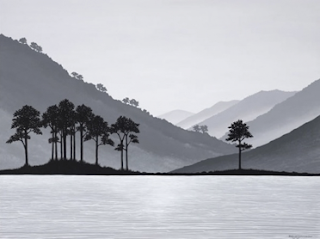
As the Mist Clears by Robyn Schroeder, black and white art print
Black & white print by NZ artist Robyn Schroder "As the Mist Clears"

Monochrome art prints have long been a staple when it comes to decorating, as black and white—when used appropriately—can fit into almost any colour scheme. Many different styles of interior design make use of monochrome tones, including minimalist, contemporary, art deco, and Scandinavian design. Even very vibrant colour palettes can benefit from a bit of black and white, as black helps bring a space down to earth and gives other colours a grounding point, while white provides a dramatic contrast. Including both is a great way to focus the look of almost any space and bring a fresh sophistication to it. Here in New Zealand, black and white (or silver) are two of our national colours, along with the red ochre seen on the Tino Rangatiratanga flag. When adding a bit of black and white to a space here in Aotearoa, it carries a little bit of extra meaning, and can really be a chance to create a visual context that us Kiwis live within. Below, we showcase our favourite monochrome art prints, with particular attention to the those that reference our home right here at the bottom of the world.

Rise Up – Barry Ross Smith

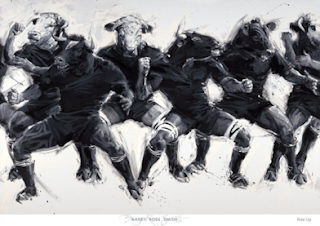
Haka bulls

First, we have this print by Barry Ross Smith. It’s no surprise that a lot of Kiwiana artworks reference our national pastime—rugby. For many, the All Blacks are the first thing that comes to mind when you mention ‘black’ and ‘New Zealand’ in the same sentence. Nearly all our national sports teams use either black or silver in some way, and this translates easily into the monochrome pieces created by Kiwi artists. Barry describes this painting as evoking the passion we feel for our national game, while tying it to our agricultural heritage.


Mince – Dick Frizzell


Mincer with knife

Part of a series of domestic graphics, ‘Mince’ is an understated print, perfect for the kitchen. It embodies the labour of household management, but chooses to do so in a sharp, uncompromising way, referencing the Kiwi approach to practical living. This screenprint is available on Artistico Fabriano cotton rag paper.


As the Mist Clears – Robyn Schroeder

Monochrome NZ landscape with lake & trees

This print of Robyn Schroeder’s original painting showcases another element of Aotearoa that we hold dear—the natural landscape. Presented in stark black and white, this piece depicts mist evaporating off a South Island lake in the morning. Connection to the land has always been important for those living in New Zealand, giving this piece an unspoken weight and beauty. This print is ideal for pulling together larger spaces, like the dining or living room.


Game of Two Halves – Weston Frizzell

Black & White Rugby Ball with Koru lacing

Another Frizzell family piece, this print is a cool piece of modern NZ printmaking which also celebrates our national game of rugby. It is a sophisticated representation of the game, referencing the popular phrase “game of two halves”, which is used to state that any situation could end any number of ways, regardless of how it seems to be going now. It also references the koru shape, the illusionist works of MC Escher, and the dualist concept of Yin and Yang.


Scared – Colin McCahon

I am Scared, I stand up in Colin McCahon's handwriting
Finally, we have this NZ masterwork. More abstract than the others presented so far, ‘Scared’ can be seen as a highly personal work, and an allegory of McCahon’s life, but its cry is also a universal one—a call of protest and a demand to take action. Colin McCahon started his ‘Scared’ series in the mid-70s when he was around 60 years of age. His work was often directly related to emotion, and he talked at length about his fears and doubts when discussing his art. The artwork has a harder edge than more commercial Kiwiana style prints, making it better suited to spaces that want to be more attention grabbing, or challenging. Similar prints by this artist can be found in our Colin McCahon art collection.


Learn more about decorating with Fine Prints!

For more advice on decorating from the NZ experts, follow our blog for articles like this. If you’re interested in purchasing high-quality prints in black and white, you can also take a look at our new black and white prints collection!

The Best New Zealand Landscapes for Art Prints | NZ Fine Prints

The Best New Zealand Landscapes for Art Prints

Clouds hanging over milford sound with two mountains and water between them

When exploring the world of framed wall art in New Zealand, you can quickly discover that there’s a wealth of options. Landscapes are a popular pick, especially because there’s no shortage of incredible scenery in Aotearoa, and thus no shortage of art featuring stunning natural features and breathtakingly vistas, viewed through the lens of the artist.  In this blog, we look at some of the best New Zealand landscapes, and discuss why they lend themselves so well to art.


Aotea / Great Barrier Island

Aotea, known to most as Great Barrier Island, is part of Auckland’s well-known Hauraki Gulf. The island lies around 100 kilometres from the central Auckland harbour. It’s the sixth-biggest island in the country, and Mount Hobson—the island’s peak—reaches over 600 meters above the sea. Aotea is the ancestral home of Ngāti Rehua, and the island has two marae, one affiliated with Ngāti Rehua, and the other with another local iwi; Ngātiwai. 

Print of Great Barrier Island by Justin Summerton
During the colonisation of New Zealand, Aotea was settled by Europeans for mining, Kauri logging, and was later the location of New Zealand’s last whaling station. As time went on, more on more of the island fell under the protection of the Department of Conservation, and these days, over half of the island is a nature reserve. Just under 1000 people live on the island, and those who visit tend to feel like it is like stepping backward through time.  


Aotea’s position just off the coast of Auckland is a big part of what makes it so great for art. It’s pronounced shape in the heart of the harbour draws the eye, and it hasn’t been settled in the same way that other islands—like Waiheke—have. Even though it’s just next door to New Zealand’s biggest city, the island remains largely how it always has.


Piopiotahi / Milford Sound

Milford Sound, New Zealand
Milford Sound Canvas Print by Dale Gallagher
Milford Sound, or Piopiotahi in Māori, almost needs no introduction. The South Island fjord is world-famous, having been named the world’s number one travel destination in the TripAdvisor 2008 Traveler’s Choice Awards. Piopiotahi is potentially New Zealand’s most famous attraction, and in the age of the Travel Instagram, the magical location has charmed thousands. Rudyard Kipling even once called it the eighth Wonder of the World!  It’s no wonder Milford Sound makes such a popular subject for landscape art—it’s hard to think of any part of New Zealand that looks more visually arresting. View our Milford Sound prints for more!


Aoraki / Mount Cook

Mt Cook/Aoraki and the Tasman River
Mt Cook & The Tasman River by Peter Beadle
The tallest mountain in New Zealand, the mighty Aoraki reaches 3,724 metres above sea level, towering over the Southern Alps; the mountain range that forms the spine of the South Island. Mount Cook has long attracted avid mountain climbers, with several summits, and views of nearby glaciers.  Ngāi Tahu, one of the main iwi in the south of New Zealand, have a strong connection to Aoraki. They hold the mountain as a sacred ancestor—Aoraki forms a physical link between the natural world, and the supernatural. It’s easy to see why the locals hold the mountain in such high regard—it truly is awe-inspiring. Mountains—particularly volcanoes—are almost always held in high regard by indigenous peoples, and perhaps this sense of awe is also why so many artists are drawn to it, in an attempt to capture the immense sense of scope the mountain has. View our Mount Cook prints to find the perfect landscape piece for your space.


Want a piece of New Zealand’s landscape in your home?

Here at NZ Fine Prints, we sell a huge range of NZ landscape prints, from a number of celebrated artists. If you’re looking to decorate your home with a piece of New Zealand’s natural majesty, you can’t do much better than a framed print. See the range for yourself in our shop today!